King Seiko

The Return of a Legend

The Definitive Guide to King Seiko

King Seiko transcends its function as a timepiece because it signifies an entire period that demonstrated unending dedication to achieving perfect results, according to horologists who appreciate fine timepieces. The creation of King Seiko began during the 1960s as Seiko developed internal competition to create the world’s most precise timepiece. The King Seiko brand became a major force in watch design and watchmaking technology because it developed its own internal competition.

King Seiko presents a modern collection of luxurious timepieces that successfully combines traditional watch design with cutting-edge Japanese high-beat technology, resulting in a watch that ticks more times per second for enhanced accuracy. The sharp angles of the ‘Grammar of Design’ (a design approach with defined geometric rules) and the historic background of the Daini Seikosha factory both draw you to King Seiko watch ownership, as it provides you with the opportunity to wear a piece of watchmaking history.

Why King Seiko Defines Modern Horology

The brand identity of King Seiko developed through its competition with other watchmaking brands. The collection displays Japanese craftsmanship at its best because it combines practical daily use with exceptional artisanal luxury.
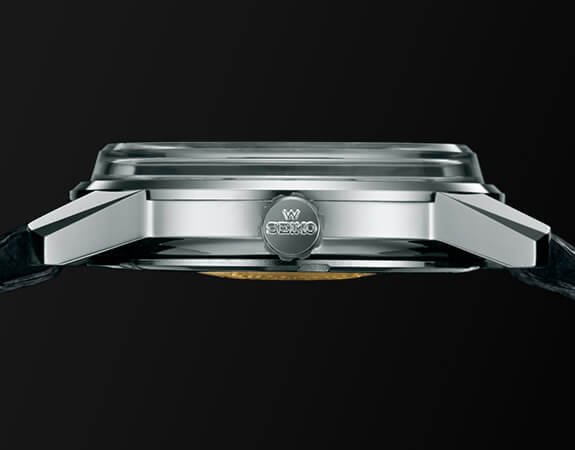
  • The Grammar of Design: King Seiko has set a precise aesthetic requirement for all its watches. This requirement is to ensure that flat surfaces are achieved with sharp facets and mirror-polished surfaces to achieve unique light reflections. Mirror polishing is a polishing method that guarantees a smooth finish.


  • Mechanical Mastery: King Seiko watches are made with KSK legendary movements as well as high-frequency technology for users who appreciate mechanical mastery.


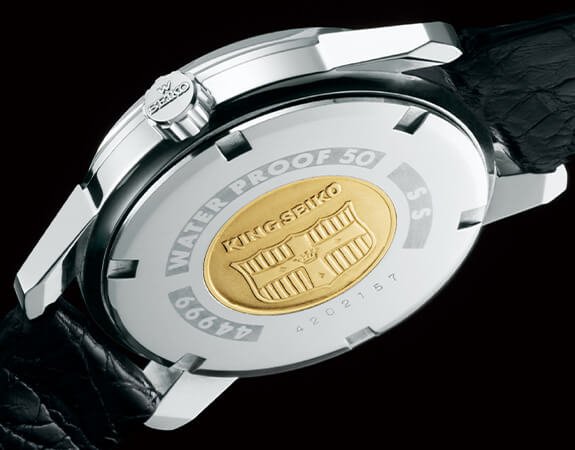
  • A Legacy Reborn: The current King Seiko collection features the KSK legendary design from 1965 on its case back shield medallion. Additionally, modern protection features and water resistance capabilities are incorporated.

Grand Seiko vs. King Seiko:

The brand identity of King Seiko developed through its competition with other watchmaking brands. The collection displays Japanese craftsmanship at its best because it combines practical daily use with exceptional artisanal luxury.

  • Grand Seiko: This is the ‘ideal’ watch that has achieved perfection in terms of accuracy through the integration of Spring Drive technology and inspiration from nature on its dials.
  • King Seiko: This watch design has adopted a bold approach to its design by incorporating architectural styles and vintage sizes between 37 and 39 mm.


People who choose between King Seiko and Grand Seiko decide between two different styles because anyone who experiences snowflakes will choose their peaceful appearance over the precise lines of the KSK.

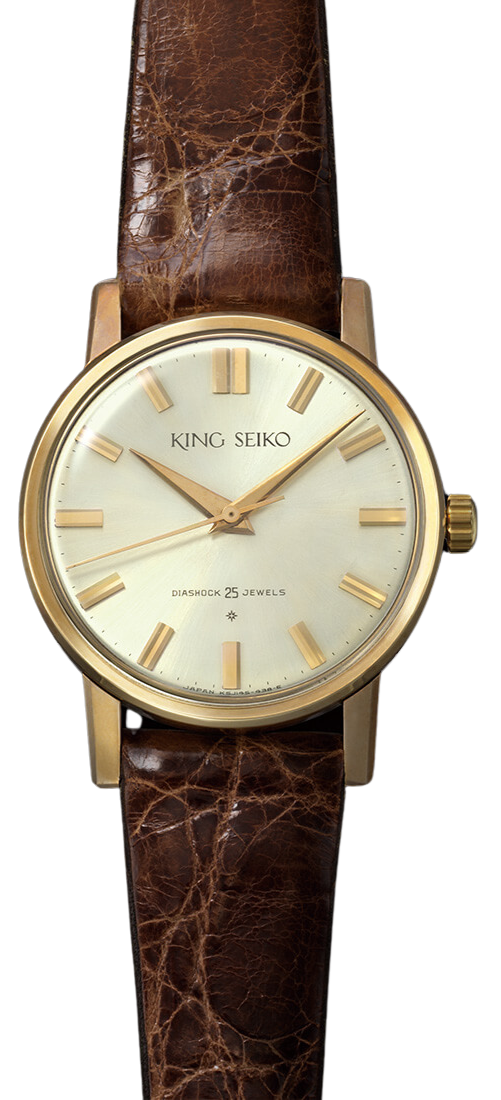
1961 marked the birth of the first King Seiko

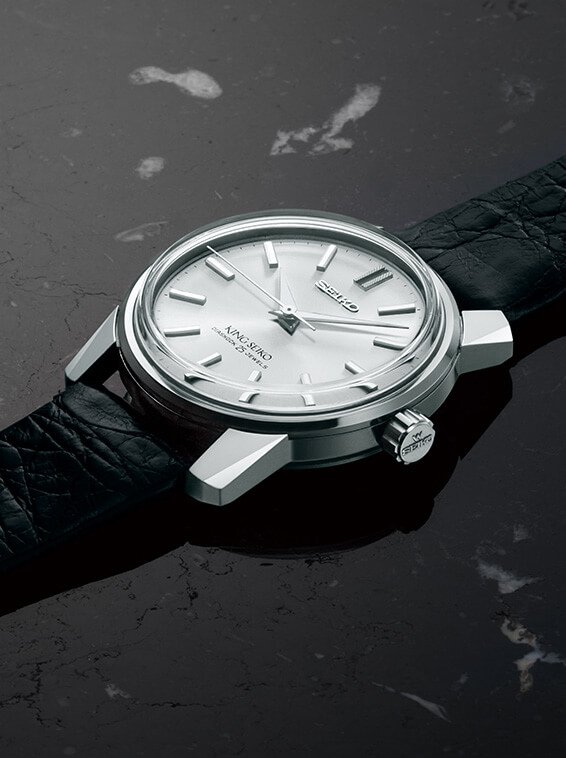
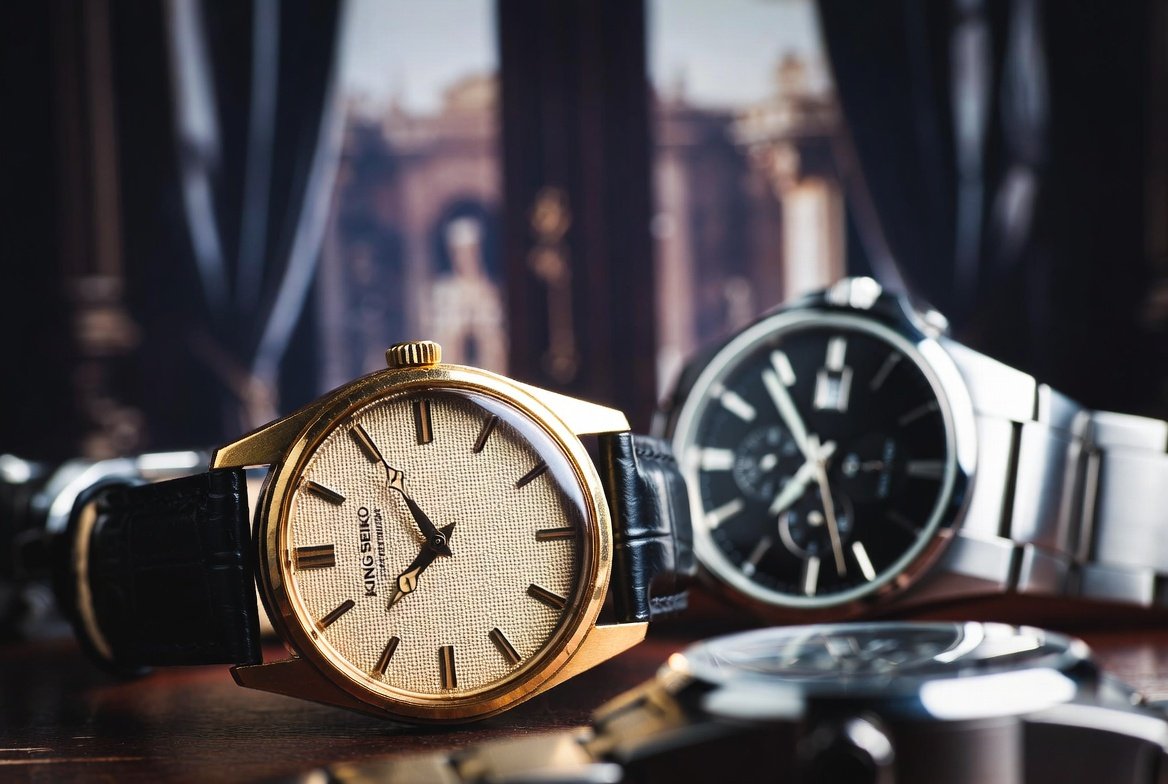
The original King Seiko was defined by its bold design language — featuring sharp, angular hands, solid and prominent indexes, and a sleek, slim-profile case that exuded refinement. At its heart was a precise manual-winding movement equipped with 25 jewels, delivering both mechanical excellence and timeless sophistication.
In 1942, Seiko established a new affiliate — Daiwa Kogyo — in Suwa, Nagano Prefecture, as a remote production base for the Daini Seikosha factory. This facility would later be renamed Suwa Seikosha in 1959 and go on to become the engineering heart of Seiko’s innovation efforts. Its mission: to create a luxury wristwatch brand with a level of precision that could rival — and surpass — Swiss craftsmanship.

Thus, King Seiko and Grand Seiko embarked on parallel paths toward high-end horological excellence. While Grand Seiko became the ultimate expression of precision engineering, King Seiko carved its identity through a bold, modern design language — one that reflects the spirited character of its Tokyo roots.

The Rise of King Seiko A 1960s Icon

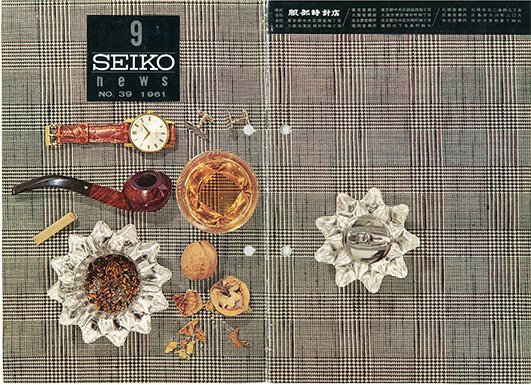
Introduced in 1961, the first King Seiko watch combined sleek modernity with timeless elegance. As highlighted in contemporary brochures for retailers, its price — between ¥12,000 and ¥15,000 — matched the monthly salary of a university graduate, establishing it as a symbol of aspiration and refined taste in post-war Japan.

Refining the Legacy
King Seiko KSK (1965)

With the introduction of a hacking seconds hand, this second-generation model solidified King Seiko’s status as a truly distinctive and innovative timepiece. Its design language — featuring bold, angular lugs, a knurled 12 o’clock index reminiscent of luxury lighters, and sharply defined case contours — set a new standard for refinement and continues to influence modern iterations to this day. Inside, a manual-winding movement with 25 jewels delivered precision and reliability befitting its high-end stature.

Premium Accuracy, Designed for All

The second-generation King Seiko introduced a bold new design language, with its sharply edged case and solid, angular lugs — features that would go on to define the identity of the King Seiko line. Known as the KSK, this model marked a turning point in Japanese horology, offering not only exceptional craftsmanship but also a revolutionary hacking seconds mechanism for precise time regulation.

As the brand evolved, subsequent King Seiko models were built to even stricter standards of accuracy, earning certification from the Japan Chronometer Inspection Institute — placing them on par with the finest luxury Swiss timepieces of the era. King Seiko quickly became a symbol of accessible luxury, perfectly balancing refined aesthetics, mechanical precision, and remarkable value.

King Seiko 45KCM*

Introduced in 1969
A refined Calendar Chronometer
with curved case lines

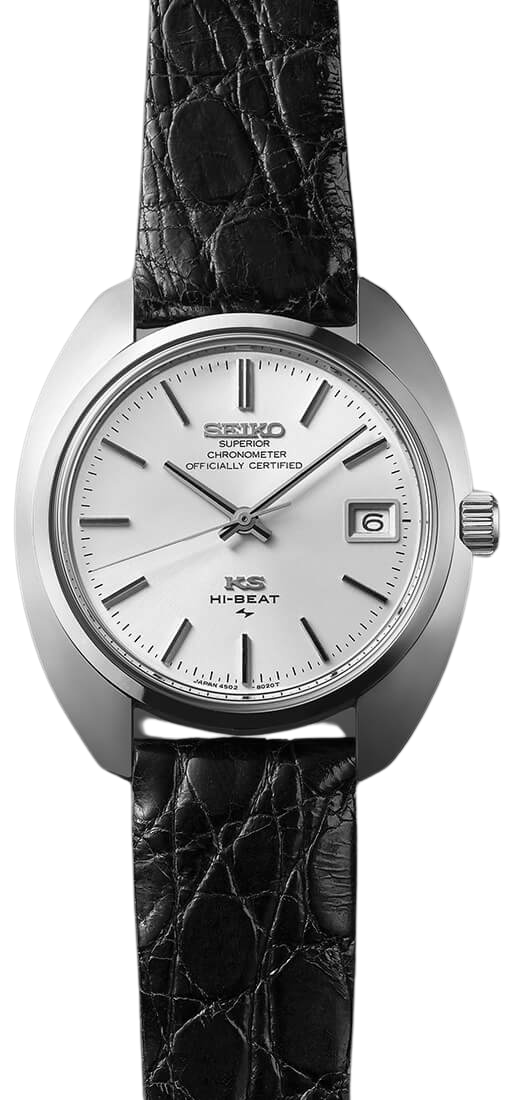
The King Seiko 45KCM introduced a new design direction, favoring more curved contours over the sharp, linear elements of earlier models. It was the first King Seiko-branded timepiece to feature a high-frequency movement operating at 36,000 vibrations per hour, marking a significant leap in precision.

This enhanced form factor — highlighted by distinctive details like an additional mirror-finished facet between the top and side surfaces — gave the 45KCM a refined, luxurious presence. Backed by the distinguished King Seiko pedigree and powered by a manual-winding movement with 25 jewels, the 45KCM stood out as a truly remarkable watch that balanced innovation, elegance, and mechanical excellence.

Honoring the Legacy
The Closure of King Seiko’s First Era

The King Seiko name gave rise to a range of exceptional timepieces, featuring innovations such as fully integrated, airtight one-piece cases and bold, forward-thinking design elements. However, by the 1970s, the era of King Seiko was nearing its end. The launch of the quartz watch in 1969 marked a seismic shift in the watchmaking industry — ushering in a new era of accuracy and affordability. In the wake of this technological revolution, mechanical watch production slowed, and eventually, King Seiko’s production was brought to a close.

The Revival of King Seiko
Timeless Style Reborn

After decades of silence, a legend returns.
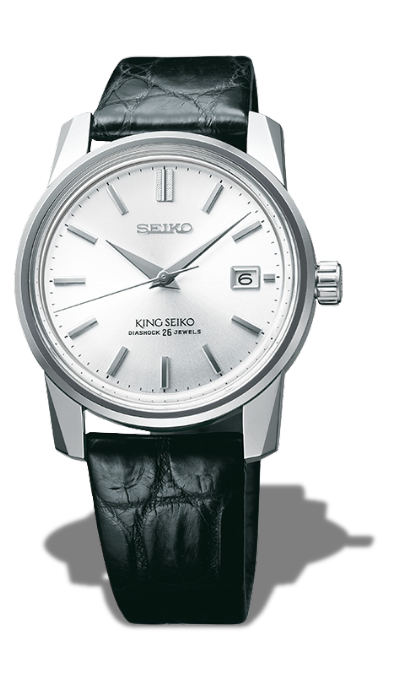
In 2022, King Seiko was reborn — not as a replica of the past, but as a bold fusion of history and innovation. Dubbed the “Newest Classic,” it captures the spirit of 1960s elegance, now powered by modern mastery. This is more than a watch — it’s the return of a legacy.